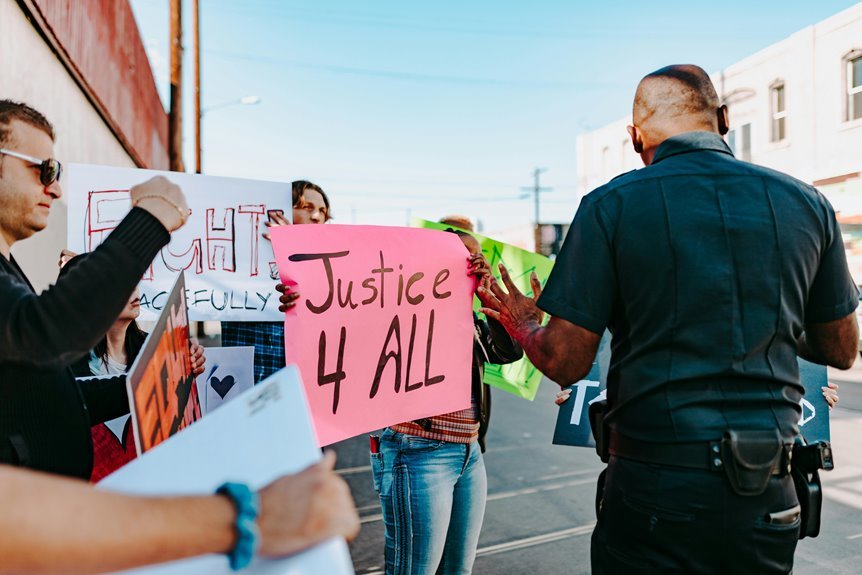
On one hand, Article 359 of the Indian Constitution enables the government to suspend fundamental rights during emergencies; on the other, it poses risks to individual freedoms. This provision, while aimed at maintaining order, raises critical questions about its implications for civil liberties. As you explore the historical context and legal justifications, consider how this balance between state security and personal rights shapes the democratic landscape in times of crisis.
Understanding the Framework of Art 359
While understanding the framework of Art 359, you’ll find it essential to grasp its purpose and implications during times of national emergency.
This provision grants the government significant emergency powers, allowing for the suspension of fundamental rights.
However, these constitutional implications raise critical concerns about potential overreach and the balance between state security and individual freedoms that mustn’t be overlooked.
Historical Context and Precedents
Understanding the historical context of Art 359 is crucial, as it sheds light on how this provision has been invoked in various crises throughout India’s past.
Notable historical examples include the Emergency of 1975, where emergency powers led to significant constitutional implications and controversial legislative actions.
Analyzing these precedents helps you grasp the delicate balance between national security and individual freedoms in democratic governance.
Legal Justifications for Suspension of Rights
When a government invokes Art 359 to suspend rights, it typically relies on specific legal justifications that are rooted in the Constitution.
These justifications often highlight legal limitations necessary for maintaining order during emergencies.
However, it’s crucial to scrutinize how these justifications align with the broader rights framework, ensuring that the balance between security and individual freedoms remains a focal point of discussion.
Balancing Security and Personal Freedoms
As governments grapple with the necessity of maintaining order during crises, they often face the challenge of balancing security measures with the preservation of personal freedoms.
You must recognize that excessive security can erode personal liberties, leading to a society where fear outweighs freedom.
Advocating for transparent policies ensures that security measures don’t infringe on your rights, fostering a safer, yet free environment.
Conclusion
In conclusion, while Article 359 serves as a critical tool for maintaining order during emergencies, it’s essential to remain vigilant against potential abuses. Think of a gardener pruning a tree; while cutting back can promote new growth, excessive trimming can stifle life. Similarly, suspending rights can protect security but may also suffocate individual freedoms if unchecked. As citizens, we must advocate for a careful balance, ensuring our rights are safeguarded even in times of crisis.