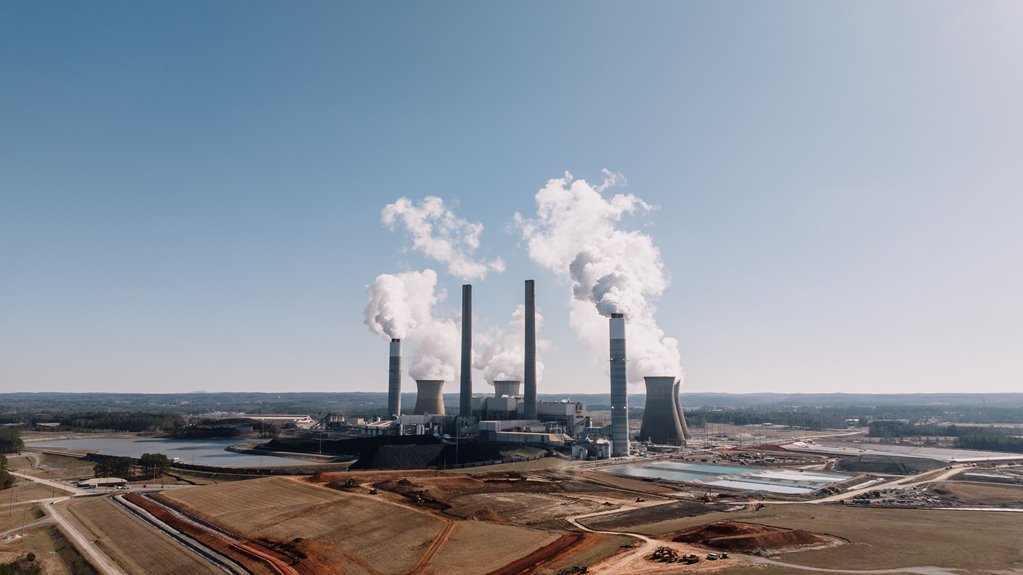
Energy supply disruptions are rising, costs are escalating, and reliability is diminishing. You might wonder why these issues are becoming so prevalent. Geopolitical tensions, natural disasters, and outdated infrastructure are just a few factors at play. As you consider the implications for both consumers and industries, think about how these challenges could reshape the energy landscape. What strategies can mitigate these risks, and how can we foster a more resilient energy framework?
Why Energy Supply Disruptions Are a Growing Concern?
As global economies become increasingly interconnected, energy supply disruptions are emerging as a critical concern for both consumers and industries alike.
Geopolitical tensions and climate change exacerbate infrastructure vulnerability, threatening reliable energy access.
Transitioning to renewable energy sources can enhance resilience against these disruptions, offering a path toward greater autonomy.
You must prioritize sustainable solutions to safeguard against future energy uncertainties.
Top Factors Causing Energy Supply Disruptions
Energy supply disruptions stem from a complex interplay of factors that can significantly impact global markets and local communities.
Geopolitical tensions often escalate, affecting oil and gas supplies, while natural disasters can cripple infrastructure, leading to outages.
Additionally, vulnerabilities in aging energy systems hinder the shift to renewable energy, making the landscape increasingly precarious and threatening your freedom to access reliable energy sources.
How to Reduce Energy Supply Risks
To mitigate energy supply risks, diversifying your energy sources is crucial.
Embracing renewable energy enhances sustainability, while energy efficiency reduces overall consumption.
Implementing demand response strategies can balance supply and demand effectively.
Investing in storage solutions bolsters grid resilience, allowing you to withstand disruptions.
Lastly, advocating for policy reforms ensures a robust framework that supports these initiatives, fostering a more secure energy future.
Current Global Energy Supply Issues
While many nations strive for energy independence, current global supply issues are creating significant challenges.
Geopolitical tensions have disrupted traditional energy sources, limiting availability and driving up costs.
As you consider solutions, the shift toward renewable energy becomes crucial.
Investing in sustainable technologies not only mitigates risks but also empowers you to break free from volatile markets and enhance energy security.
Conclusion
As you navigate the complexities of energy supply disruptions, the stakes couldn’t be higher. With geopolitical tensions and aging infrastructure looming, the question remains: how resilient is your energy strategy? By embracing renewable sources and diversifying supply chains, you can mitigate these risks. But will it be enough? The clock is ticking, and the future of energy stability hangs in the balance. It’s time to act decisively—before the next disruption catches you off guard.