You might not realize that extreme weather events have increased dramatically over the past few decades, with statistics showing a rise in intensity and frequency. Climate change plays a significant role in altering weather patterns, making severe hurricanes and prolonged droughts more common. Understanding the mechanisms behind these shifts is crucial. What does this mean for vulnerable communities and their preparedness strategies? The implications are profound and require our immediate attention.
Why Extreme Weather Events Are Increasing: Startling Statistics
Why are extreme weather events becoming more common?
Statistical analysis reveals significant shifts in weather trends over recent decades. Extreme heat, heavy rainfall, and hurricanes have surged, correlating with rising global temperatures.
This data-driven approach shows that human activities, particularly greenhouse gas emissions, exacerbate these events.
Understanding these statistics is crucial for making informed decisions about our future and preserving freedom in our environment.
How Climate Change Influences Extreme Weather Patterns
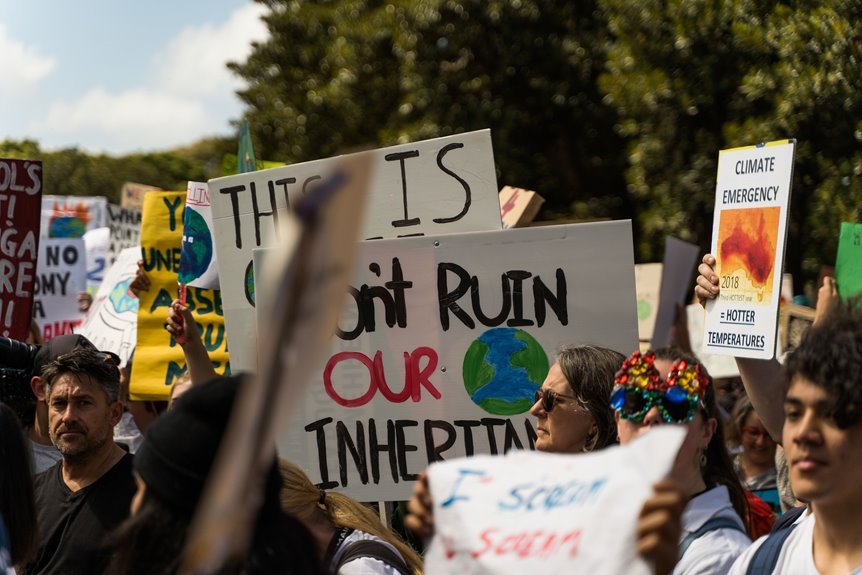
As climate change accelerates, its impact on extreme weather patterns becomes increasingly evident.
You’ll notice that climate feedback mechanisms, such as melting ice caps, intensify atmospheric changes. These alterations lead to more frequent hurricanes, droughts, and heatwaves.
Global Examples of Extreme Weather Events
While extreme weather events occur globally, their manifestations can vary significantly by region.
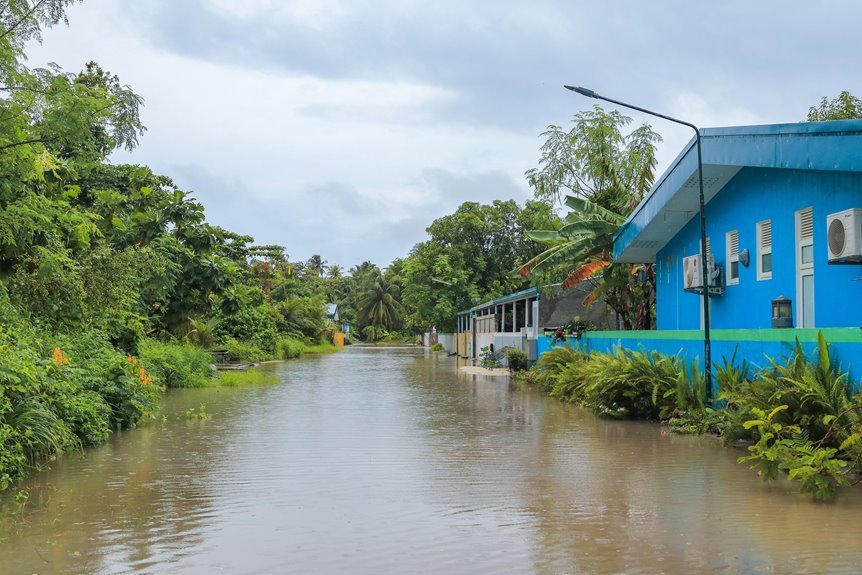
You’ll notice flooding impacts in coastal areas, while drought consequences affect arid regions.
Urban resilience is tested during heatwaves, highlighting storm preparedness needs.
Meanwhile, wildfire risks escalate in dry climates, demonstrating the complex interplay of these phenomena and their far-reaching effects on communities worldwide.
How to Build Resilience Against Severe Weather
Building resilience against severe weather is crucial, especially as extreme events become more frequent and intense due to climate change.
Focus on community preparedness by developing emergency plans and conducting drills.
Infrastructure investment in flood defenses, storm-resistant buildings, and reliable utilities enhances safety.
Conclusion
As extreme weather events escalate, the data reveals a troubling trend that can’t be ignored. Communities must act swiftly, or risk facing the dire consequences of inaction. Investing in adaptive strategies isn’t just an option; it’s a necessity. The clock is ticking, and the stakes are higher than ever. Will you take the steps needed to fortify your community against the looming threats of climate change, or will you wait until it’s too late? The choice is yours.