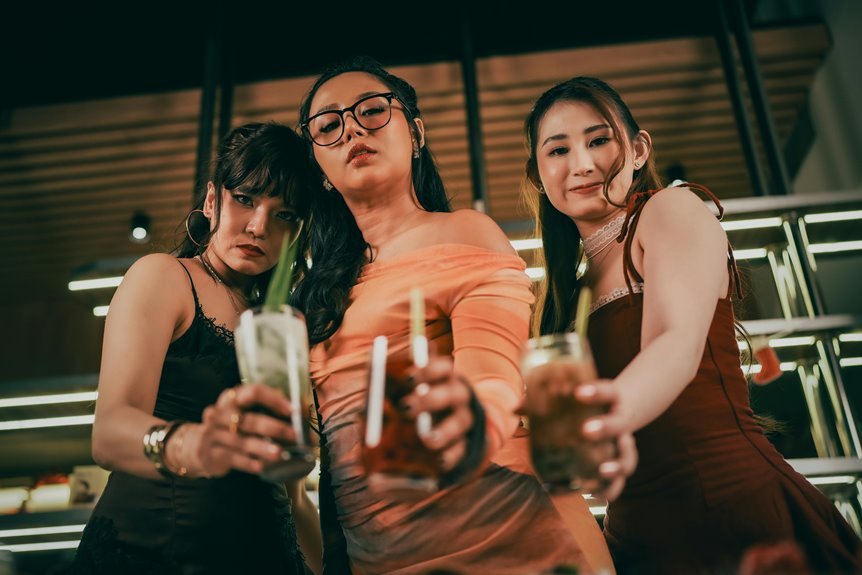
In Uttar Pradesh, you might find a bustling bar where patrons seem indifferent to the legal drinking age of 21. This inconsistency raises questions about how well age verification is enforced across different venues. As you navigate the complex interplay of laws and cultural attitudes towards alcohol, you’ll discover how these factors impact both local residents and tourists. What does this mean for public health and safety in the region?
Overview of Alcohol Laws in Uttar Pradesh
In Uttar Pradesh, alcohol laws are shaped by both state regulations and cultural factors, reflecting a complex interplay between tradition and modernity.
You’ll notice that while alcohol consumption is prevalent, enforcement challenges often arise, complicating regulatory efforts.
These challenges can stem from local attitudes towards drinking, making it difficult to balance public health concerns with individual freedoms in a rapidly changing society.
Legal Drinking Age and Age Verification
Although the legal drinking age in Uttar Pradesh is set at 21 years, enforcement of this law often varies across different regions and establishments.
Age restrictions can be loosely interpreted, leading to inconsistent practices. Common verification methods include checking government-issued ID, but these aren’t always strictly followed.
As a result, many young adults may find ways to navigate these regulations, seeking greater freedom.
Cultural Context and Social Attitudes Towards Alcohol
While many view alcohol consumption as a rite of passage, the cultural context in Uttar Pradesh reveals a complex relationship with drinking.
Social norms often dictate that alcohol is frowned upon, fostering an alcohol stigma that impacts individual choices. Those who partake may struggle with societal judgment, balancing personal freedom against cultural expectations, which leads to a nuanced discourse on alcohol consumption in this region.
Impact on Residents and Tourists
The cultural stigma surrounding alcohol in Uttar Pradesh significantly influences both residents and tourists.
Residents’ opinions often reflect a cautious approach to drinking, shaped by societal norms.
For tourists, experiences can be mixed; they may find limited options and face judgment, impacting their enjoyment.
This unique landscape of attitudes creates a complex interplay between local customs and the desire for more liberal drinking practices.
Conclusion
In navigating Uttar Pradesh’s alcohol laws, you’re faced with a paradox: a legal drinking age of 21 clashing with cultural acceptance of underage drinking. This inconsistency not only complicates compliance but also raises questions about responsibility and safety. As you consider the vibrant social scene, remember that the choices you make resonate beyond just the moment—shaping public health and community values. Ultimately, balancing personal freedom with societal norms is a tightrope walk that defines the drinking experience here.