Did you know that over 80% of data breaches stem from weak or stolen passwords? In today’s digital landscape, safeguarding your personal information isn’t just a choice; it’s a necessity. Implementing robust password management and utilizing VPNs can significantly enhance your online privacy. However, the question remains: how can you effectively respond to a data breach when it occurs? Understanding the strategies and tools available is crucial for maintaining your online security.
Why Online Security and Privacy Matter
In an increasingly digital world, understanding why online security and privacy matter has never been more crucial. Your digital footprint awareness directly impacts your personal freedom.
Companies often exploit data without ethical considerations, risking your privacy. By prioritizing security measures, you empower yourself against surveillance and data misuse.
Recognizing the importance of ethical data usage helps you maintain control over your online identity.
Top Strategies for Protecting Your Personal Information
While navigating the online landscape, implementing effective strategies to protect your personal information is essential.
Start with robust password management; use unique passwords for different accounts and consider password managers for increased security.
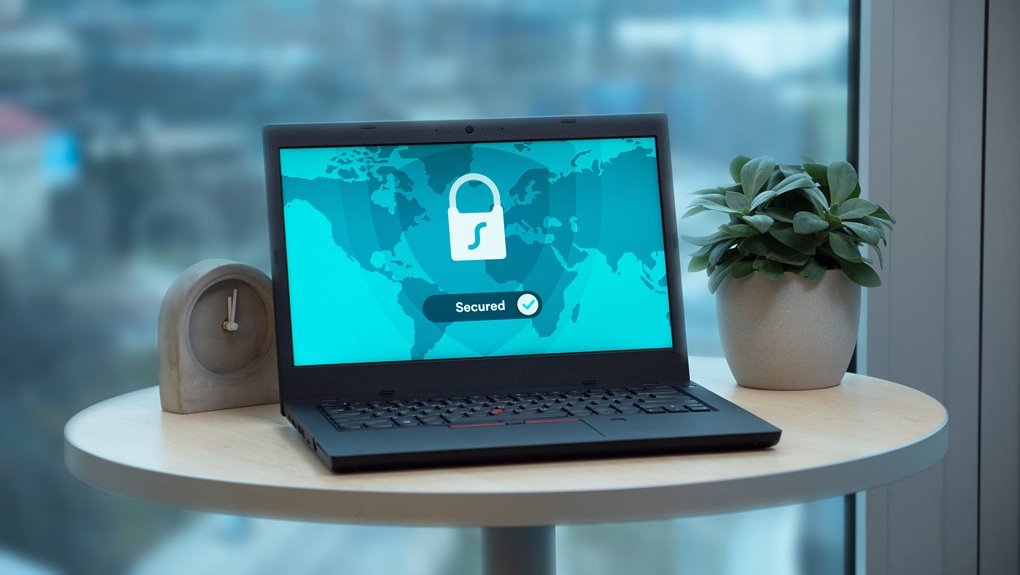
Additionally, prioritize secure browsing by utilizing HTTPS websites and employing a reliable VPN.
These practices minimize your exposure to data breaches, enhancing your online freedom and safeguarding your privacy.
Must-Have Tools for Online Security and Privacy
Robust security measures require the right tools to effectively safeguard your online presence.
Utilize password managers to create and store complex passwords securely.
Employ VPN services to mask your IP address and encrypt your internet traffic.
Opt for secure browsers and install privacy extensions to block trackers.
Implement two-factor authentication for added protection, and adopt encrypted messaging apps for secure communications.
What to Do If You Experience a Data Breach?
Experiencing a data breach can be alarming, but taking immediate action is crucial to mitigate potential damage.
Start your breach response by changing passwords and enabling two-factor authentication.
Monitor accounts for suspicious activity to prevent identity theft.
Notify affected institutions and consider placing a fraud alert on your credit report.
Staying proactive can significantly reduce risks and protect your personal information.
Conclusion
In the digital jungle, safeguarding your personal information is your armor against lurking threats. By embracing robust strategies and utilizing essential tools, you can navigate this landscape with confidence. Remember, staying informed and proactive is your best defense. If you ever find yourself grappling with a data breach, don’t panic—act swiftly and decisively. By taking these steps, you’re not just protecting yourself; you’re fortifying your digital fortress, ensuring a safer online experience for yourself and others.