From Spot Checks to Systematic Review
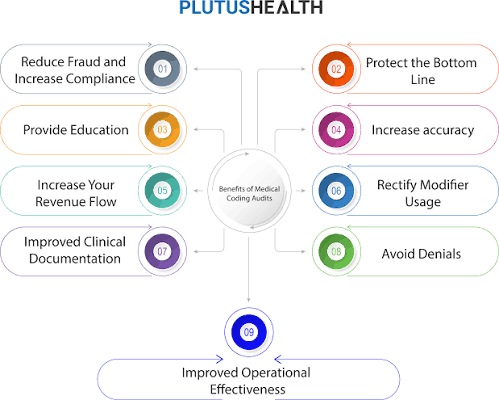
Medical coding audits used to be an afterthought for most practices, something handled once a year by an outside consultant who sampled a handful of charts and issued a report nobody read closely. That approach made sense when claim volumes were lower and payer rules changed less frequently. Today, the margin for error has shrunk considerably, and practices that still treat auditing as an annual formality often discover problems only after a payer has already flagged a pattern of denials or, worse, initiated a recoupment request.
The shift toward more frequent and more granular auditing reflects how much coding complexity has grown. ICD-10 alone introduced tens of thousands of codes, and payer-specific documentation requirements have multiplied on top of that. A coder who was accurate five years ago may now be working from outdated assumptions about what a payer considers sufficient documentation for a given code set. Regular auditing catches that drift before it becomes a financial liability, rather than after the fact.
Practices that have moved to quarterly or even monthly review cycles tend to catch small discrepancies, like a coder consistently undercoding a particular visit type, long before those discrepancies compound into six-figure revenue gaps. The data from these more frequent reviews also gives billing managers something they rarely had before: a trend line, rather than a single snapshot, to work from. That shift in cadence also changes staff behavior, since coders who know their work is reviewed on a rolling basis tend to document more carefully from the start, which reduces the volume of errors an auditor has to catch in the first place. Over time, the audit itself becomes less about catching mistakes and more about reinforcing habits that keep mistakes from forming.
What a Modern Coding Audit Actually Measures
A well-structured audit today looks at more than whether a code matches the documentation. It examines patterns across coders, identifies whether certain denial types cluster around specific staff members or specific payers, and tracks how quickly errors get corrected once flagged. This kind of pattern recognition is difficult to do by hand, which is part of why many practices have started pairing manual chart review with software that flags anomalies before a claim ever goes out the door.
Read Also: Why Do So Many People Still Overpay for Laser Hair Removal on Multiple Body Areas?
Documentation quality remains the other half of the equation, and it’s a part of the process that audits can’t skip. A code can be technically correct and still trigger a denial if the supporting note doesn’t clearly justify the level of service billed. Auditors who focus only on code accuracy and ignore documentation context tend to miss the root cause of recurring denials, which usually sits upstream of the coding decision itself. Many practices find that the same handful of documentation gaps recur across different coders and different payers, which suggests a training issue rather than an individual performance problem.
Staffing pressure has made this harder to manage manually. Coders are processing higher volumes with less time per chart, and that pace increases the odds that a borderline case gets coded on autopilot rather than reviewed carefully. Some organizations have started layering autonomous medical coding software into their audit process specifically because it can flag borderline cases in real time, giving human auditors a smaller, more relevant pool of claims to review instead of sampling at random. That shift doesn’t replace human judgment, but it changes where that judgment gets applied, concentrating reviewer attention on the claims most likely to need it.
Revenue cycle leaders who want a broader view of how coding accuracy fits into overall financial health often start with the American Hospital Association’s revenue cycle topics, which lay out how coding errors ripple into denial rates, days in accounts receivable, and net patient revenue. Framing coding audits as part of that larger revenue cycle picture, rather than as an isolated compliance task, tends to produce more buy-in from finance leadership, since the connection between coding accuracy and cash flow becomes harder to ignore once it’s laid out in those terms. Audits that stay siloed within the coding department rarely get the resources they need to scale, and that isolation is often the real reason audit findings never translate into lasting process change.