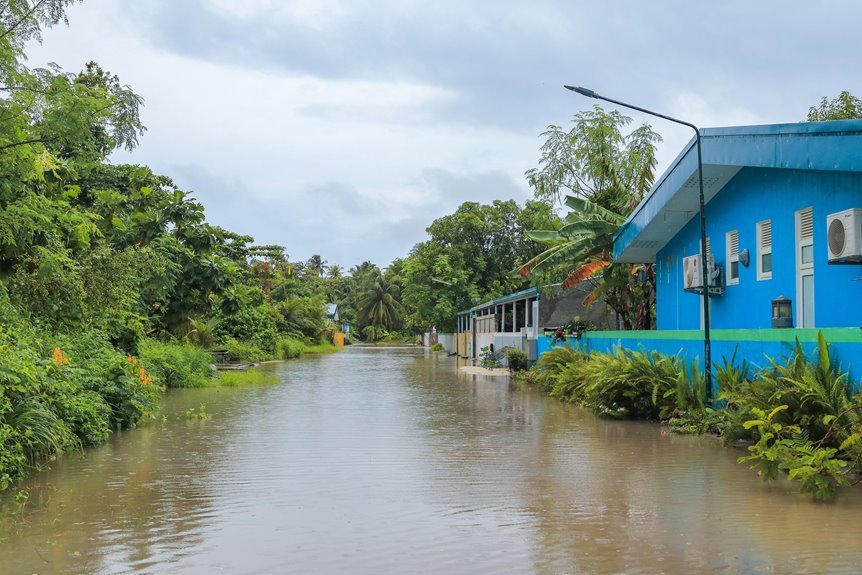
Did you know that over 40 million people in Asia are affected by flooding each year? This staggering figure underscores the urgent need for action as climate change intensifies these events. Recent reports reveal not just the scale of the problem, but also highlight innovative approaches by governments and NGOs. What strategies are proving effective, and how are communities adapting to these relentless challenges? The answers might surprise you.
Understanding the Current State of Flooding in Asia
As climate change intensifies, you might wonder how it’s fueling the alarming rise in flooding across Asia. Increased population density and inadequate urban planning exacerbate infrastructure vulnerability.
Poor water management and insufficient disaster preparedness contribute to devastating environmental impacts. Early warning systems remain crucial, yet many regions lag behind, leaving communities to grapple with the escalating consequences of climate change.
Major Recent Flood Events in Asia
Recent flood events across Asia highlight the urgent need to address the escalating crisis. Effective flood management and climate adaptation strategies are vital.
You’ll see communities rallying around emergency response efforts, emphasizing disaster recovery and the importance of robust water infrastructure.
Community engagement and policy reforms are essential, while international aid can bolster these initiatives, ensuring resilience against future floods.
How Governments and NGOs Are Responding to Flooding?
Governments and NGOs across Asia are ramping up their responses to the increasing frequency and severity of floods. They’re focusing on disaster preparedness and emergency response while allocating resources for humanitarian aid and infrastructure repair.
Climate adaptation strategies are being formulated, emphasizing community engagement to ensure resilience. By prioritizing policy formulation, they aim to enhance long-term recovery and safeguard vulnerable populations against future disasters.
Building Community Resilience After Flooding
While floods can devastate communities, building resilience in their aftermath is both essential and achievable.
You can enhance community preparedness through education, fostering local leadership, and engaging in disaster recovery plans.
Implementing flood mitigation techniques, like sustainable landscaping, not only protects homes but also strengthens local bonds.
Together, these resilience strategies empower individuals, ensuring that communities thrive, even in the face of adversity.
Conclusion
As the adage goes, “An ounce of prevention is worth a pound of cure.” In light of the increasing flood risks across Asia, it’s clear that proactive measures are crucial. By strengthening infrastructure and fostering community resilience, we can better prepare for future events. Governments and NGOs must collaborate effectively to empower local leadership and educate residents. Together, let’s turn the tide against flooding, ensuring vulnerable populations are safeguarded and equipped to face whatever comes next.